Innovative Packaging: The Future of Sustainability, Functionality, and Design
In today’s fast-paced world, packaging is more than just a protective covering for products. It has evolved into a critical element of brand identity, sustainability, and consumer experience. From sustainable materials to advanced technologies, innovative packaging is reshaping the way products are presented, protected, and consumed. But what exactly does "innovative packaging" mean, and why is it so important for the future of business, consumerism, and the environment?
Innovative packaging refers to the design and development of packaging solutions that go beyond the traditional function of protecting and containing a product. It focuses on creating packaging that serves multiple purposes, including improving product functionality, enhancing sustainability, providing convenience, and elevating the consumer experience. This concept involves new materials, smart technologies, and creative design solutions to meet the growing demands of both consumers and the environment.
The rise of e-commerce, changing consumer preferences, and increasing environmental concerns have all driven the push for more innovative packaging solutions. Brands and manufacturers are looking for ways to stand out in a crowded marketplace, and packaging has become an essential tool in achieving that goal.
As concerns over environmental impact continue to grow, sustainability has become one of the most important driving forces behind packaging innovation. According to a 2021 report by Statista, 74% of consumers say they are willing to pay a premium for sustainable packaging. This shift in consumer attitudes is encouraging brands to explore eco-friendly packaging solutions that not only minimize environmental harm but also promote a circular economy.
Several innovative materials have emerged as alternatives to traditional plastic packaging. These include biodegradable plastics, plant-based materials, recycled paper, and even edible packaging made from seaweed or rice. These alternatives are being developed to reduce the reliance on fossil fuels and to address the growing issue of plastic waste.
For example, brands like Lush have adopted 100% recyclable and biodegradable packaging for many of their products. Similarly, Nestlé and Coca-Cola are exploring new packaging solutions such as paper-based bottles and plant-based plastic made from renewable resources. These innovative materials help reduce the carbon footprint of packaging and align with the growing consumer demand for more sustainable products.
Packaging innovation is no longer just about materials; it’s also about the integration of smart technologies. Smart packaging refers to packaging solutions that use sensors, QR codes, NFC (Near Field Communication) chips, and augmented reality (AR) to enhance the product experience, increase convenience, and provide valuable information to consumers.
QR codes and NFC technology are commonly used in smart packaging to allow consumers to access product information, promotional offers, and even track the product’s journey from production to shelf. For example, a bottle of wine might have a QR code that links to detailed information about the vineyard, tasting notes, and pairing suggestions. This not only adds value for the consumer but also helps brands establish a deeper connection with their audience.
Augmented reality (AR) is another exciting development in smart packaging. By scanning a package with a smartphone, consumers can see interactive 3D content or receive personalized recommendations. Coca-Cola and PepsiCo have experimented with AR packaging for limited-edition products, creating engaging experiences that drive customer interest and brand loyalty.
Additionally, temperature-sensitive packaging is revolutionizing industries like food delivery and pharmaceuticals. Packaging with embedded temperature sensors can notify consumers if the product has been exposed to harmful temperature fluctuations, ensuring product quality and safety. This type of technology is especially important for perishable goods, where maintaining the right temperature is critical.
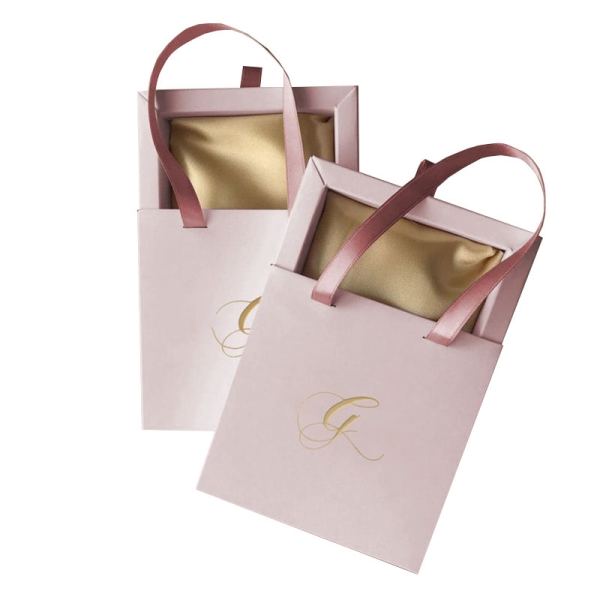
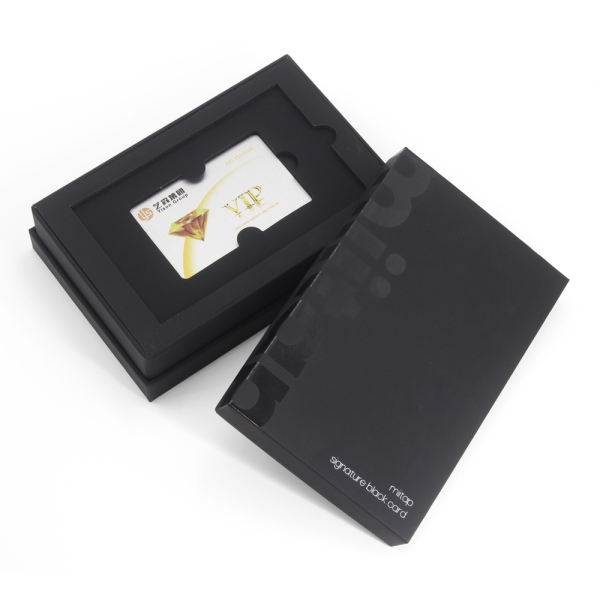
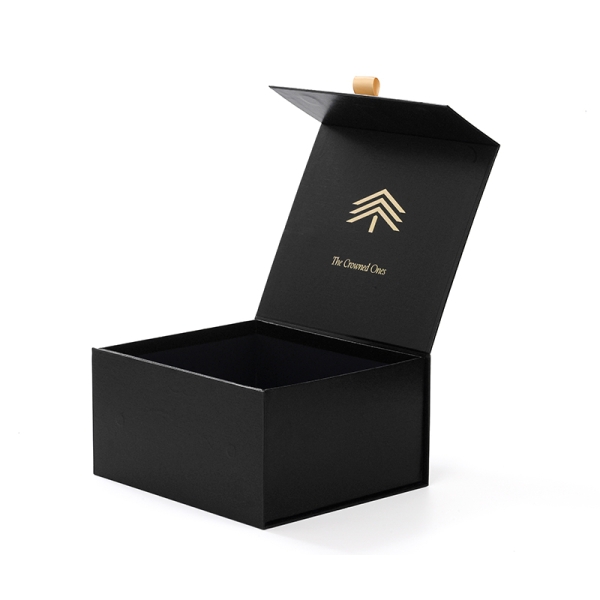
The aesthetics of packaging have always been important, but in today’s market, design has become a key differentiator. Innovative packaging design combines form and function to not only protect the product but also elevate the consumer experience. Brands are increasingly using packaging as a marketing tool to tell their story, showcase their values, and create a memorable unboxing experience.
One example of innovative design is minimalist packaging, which focuses on simplicity and elegance. Brands like Apple and Muji have mastered the art of clean, minimalist packaging that emphasizes the product itself. This approach is both visually appealing and environmentally conscious, as it often requires fewer materials and reduces waste.
On the other hand, some brands are embracing bold, interactive designs that engage consumers in a more tactile way. Tetra Pak, for instance, has developed an innovative packaging solution for beverages that combines functionality with artistry. Their paper-based cartons are not only recyclable but also feature stunning designs that stand out on shelves.
Another trend in design innovation is modular packaging, which allows consumers to customize the packaging according to their needs. For example, some companies are developing packaging that can be reused, repurposed, or easily refilled. This kind of design reduces waste and encourages customers to engage in sustainable practices by repurposing packaging rather than throwing it away.
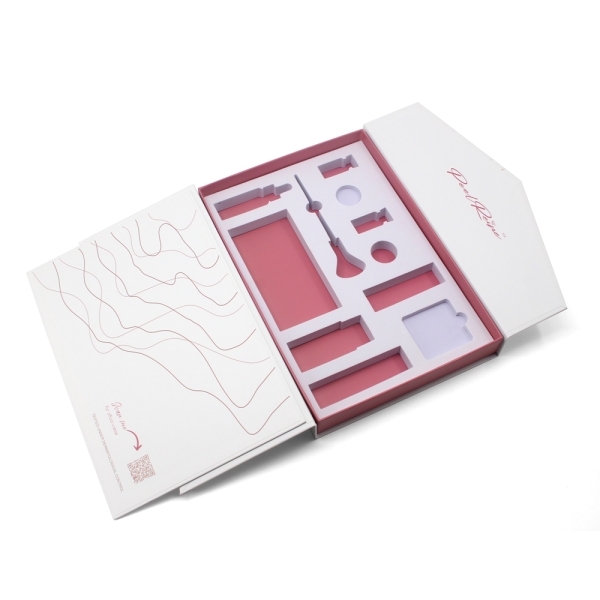
One of the most interesting developments in the packaging world has been the rise of subscription boxes. These curated packages often feature exclusive products, personalized items, and creative designs that make the unboxing experience unique. The packaging of these boxes is an essential part of the brand experience, and companies are investing heavily in innovative designs to make a lasting impression.
Brands like Birchbox and Ipsy have mastered the art of personalized packaging by tailoring the contents of their boxes to the preferences of individual subscribers. This level of customization not only enhances the consumer experience but also helps foster brand loyalty. Subscription box companies are now experimenting with eco-friendly materials and reusable packaging to ensure that their business models align with sustainability trends.
In addition to subscription boxes, personalized packaging for e-commerce has also gained popularity. Retailers like Nike and Amazon allow customers to personalize the packaging of their products with names, colors, or special messages. This personalized touch adds a layer of emotional connection between the brand and the consumer, improving overall satisfaction and fostering a sense of uniqueness.
As we look to the future, the demand for innovative packaging will only continue to grow. With advancements in materials science, technology, and design, the possibilities for packaging are virtually endless. We can expect to see more smart packaging solutions that provide interactive experiences and real-time data. Additionally, the trend towards sustainability will likely push brands to adopt even more eco-friendly materials, reduce waste, and explore new forms of packaging like edible or compostable options.
At the same time, packaging will play an even greater role in consumer engagement. Brands will continue to explore ways to create more personalized, memorable, and convenient packaging experiences that speak directly to their audience’s needs and preferences. Packaging will no longer be just a means of protection but will serve as a key component of branding, marketing, and customer loyalty.
Innovative Packaging: The Future of Sustainability, Functionality, and Design
In today’s fast-paced world, packaging is more than just a protective covering for products. It has evolved into a critical element of brand identity, sustainability, and consumer experience. From sustainable materials to advanced technologies, innovative packaging is reshaping the way products are presented, protected, and consumed. But what exactly does "innovative packaging" mean, and why is it so important for the future of business, consumerism, and the environment?
Innovative packaging refers to the design and development of packaging solutions that go beyond the traditional function of protecting and containing a product. It focuses on creating packaging that serves multiple purposes, including improving product functionality, enhancing sustainability, providing convenience, and elevating the consumer experience. This concept involves new materials, smart technologies, and creative design solutions to meet the growing demands of both consumers and the environment.
The rise of e-commerce, changing consumer preferences, and increasing environmental concerns have all driven the push for more innovative packaging solutions. Brands and manufacturers are looking for ways to stand out in a crowded marketplace, and packaging has become an essential tool in achieving that goal.
As concerns over environmental impact continue to grow, sustainability has become one of the most important driving forces behind packaging innovation. According to a 2021 report by Statista, 74% of consumers say they are willing to pay a premium for sustainable packaging. This shift in consumer attitudes is encouraging brands to explore eco-friendly packaging solutions that not only minimize environmental harm but also promote a circular economy.
Several innovative materials have emerged as alternatives to traditional plastic packaging. These include biodegradable plastics, plant-based materials, recycled paper, and even edible packaging made from seaweed or rice. These alternatives are being developed to reduce the reliance on fossil fuels and to address the growing issue of plastic waste.
For example, brands like Lush have adopted 100% recyclable and biodegradable packaging for many of their products. Similarly, Nestlé and Coca-Cola are exploring new packaging solutions such as paper-based bottles and plant-based plastic made from renewable resources. These innovative materials help reduce the carbon footprint of packaging and align with the growing consumer demand for more sustainable products.
Packaging innovation is no longer just about materials; it’s also about the integration of smart technologies. Smart packaging refers to packaging solutions that use sensors, QR codes, NFC (Near Field Communication) chips, and augmented reality (AR) to enhance the product experience, increase convenience, and provide valuable information to consumers.
QR codes and NFC technology are commonly used in smart packaging to allow consumers to access product information, promotional offers, and even track the product’s journey from production to shelf. For example, a bottle of wine might have a QR code that links to detailed information about the vineyard, tasting notes, and pairing suggestions. This not only adds value for the consumer but also helps brands establish a deeper connection with their audience.
Augmented reality (AR) is another exciting development in smart packaging. By scanning a package with a smartphone, consumers can see interactive 3D content or receive personalized recommendations. Coca-Cola and PepsiCo have experimented with AR packaging for limited-edition products, creating engaging experiences that drive customer interest and brand loyalty.
Additionally, temperature-sensitive packaging is revolutionizing industries like food delivery and pharmaceuticals. Packaging with embedded temperature sensors can notify consumers if the product has been exposed to harmful temperature fluctuations, ensuring product quality and safety. This type of technology is especially important for perishable goods, where maintaining the right temperature is critical.
The aesthetics of packaging have always been important, but in today’s market, design has become a key differentiator. Innovative packaging design combines form and function to not only protect the product but also elevate the consumer experience. Brands are increasingly using packaging as a marketing tool to tell their story, showcase their values, and create a memorable unboxing experience.
One example of innovative design is minimalist packaging, which focuses on simplicity and elegance. Brands like Apple and Muji have mastered the art of clean, minimalist packaging that emphasizes the product itself. This approach is both visually appealing and environmentally conscious, as it often requires fewer materials and reduces waste.
On the other hand, some brands are embracing bold, interactive designs that engage consumers in a more tactile way. Tetra Pak, for instance, has developed an innovative packaging solution for beverages that combines functionality with artistry. Their paper-based cartons are not only recyclable but also feature stunning designs that stand out on shelves.
Another trend in design innovation is modular packaging, which allows consumers to customize the packaging according to their needs. For example, some companies are developing packaging that can be reused, repurposed, or easily refilled. This kind of design reduces waste and encourages customers to engage in sustainable practices by repurposing packaging rather than throwing it away.
One of the most interesting developments in the packaging world has been the rise of subscription boxes. These curated packages often feature exclusive products, personalized items, and creative designs that make the unboxing experience unique. The packaging of these boxes is an essential part of the brand experience, and companies are investing heavily in innovative designs to make a lasting impression.
Brands like Birchbox and Ipsy have mastered the art of personalized packaging by tailoring the contents of their boxes to the preferences of individual subscribers. This level of customization not only enhances the consumer experience but also helps foster brand loyalty. Subscription box companies are now experimenting with eco-friendly materials and reusable packaging to ensure that their business models align with sustainability trends.
In addition to subscription boxes, personalized packaging for e-commerce has also gained popularity. Retailers like Nike and Amazon allow customers to personalize the packaging of their products with names, colors, or special messages. This personalized touch adds a layer of emotional connection between the brand and the consumer, improving overall satisfaction and fostering a sense of uniqueness.
As we look to the future, the demand for innovative packaging will only continue to grow. With advancements in materials science, technology, and design, the possibilities for packaging are virtually endless. We can expect to see more smart packaging solutions that provide interactive experiences and real-time data. Additionally, the trend towards sustainability will likely push brands to adopt even more eco-friendly materials, reduce waste, and explore new forms of packaging like edible or compostable options.
At the same time, packaging will play an even greater role in consumer engagement. Brands will continue to explore ways to create more personalized, memorable, and convenient packaging experiences that speak directly to their audience’s needs and preferences. Packaging will no longer be just a means of protection but will serve as a key component of branding, marketing, and customer loyalty.
Conclusion
Innovative packaging is no longer a trend but a necessity in today’s rapidly changing market. As businesses seek to differentiate themselves, reduce their environmental footprint, and enhance the consumer experience, the packaging industry is undergoing a transformation. From sustainable materials to smart technology, and bold design, innovative packaging is helping shape the future of both commerce and sustainability.
For consumers, packaging is no longer just a functional aspect of a product but an integral part of the overall experience. In the years to come, packaging will continue to evolve, pushing the boundaries of what’s possible while delivering greater value, convenience, and sustainability for both brands and their customers.


 English
 Português
 Русский
 Español
 Deutsch
 Français