Peptide-based skincare has become an important part of the broader beauty market, particularly as consumers show growing interest in targeted, treatment-oriented and biotechnology-inspired skincare. In 2026, packaging is increasingly being used to differentiate products in crowded skincare categories where ingredient stories can look similar across brands.
The 3ml peptide vial is particularly interesting from a packaging perspective. Its compact format is suitable for:
Because 3ml vials are small and often made from glass, however, packaging needs to solve two problems simultaneously: protecting a delicate product while making a very small package look valuable.
For 3ml peptide products, packaging efficiency is becoming just as important as packaging aesthetics.
Small-format beauty packaging is one of the notable packaging directions for 2026. The market is seeing continued interest in mini and travel-friendly formats, while skincare is becoming increasingly treatment-focused.
For brands, a 3ml vial can support several commercial models:
Suitable for:
Examples include:
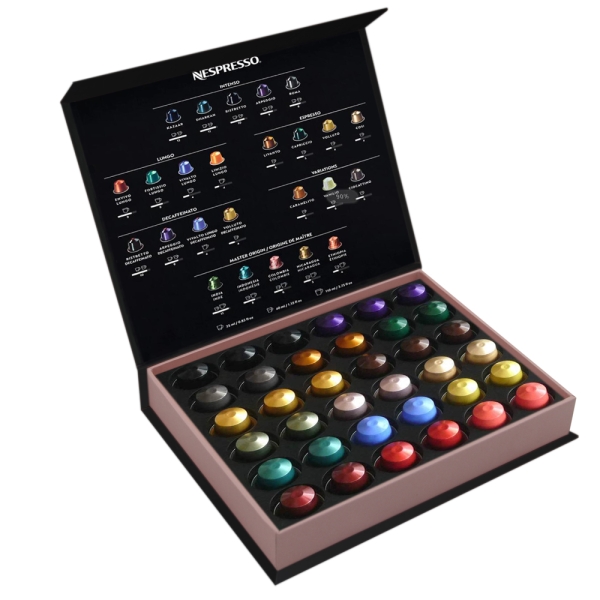
Multiple vials can be arranged inside one presentation box, turning a small product into a complete skincare ritual.
A box containing several different peptide formulations can encourage customers to explore a product range before purchasing full-size products.
A 3ml vial is physically small, but the product may have a premium positioning.
This creates an interesting packaging challenge: how can a tiny bottle communicate high value?
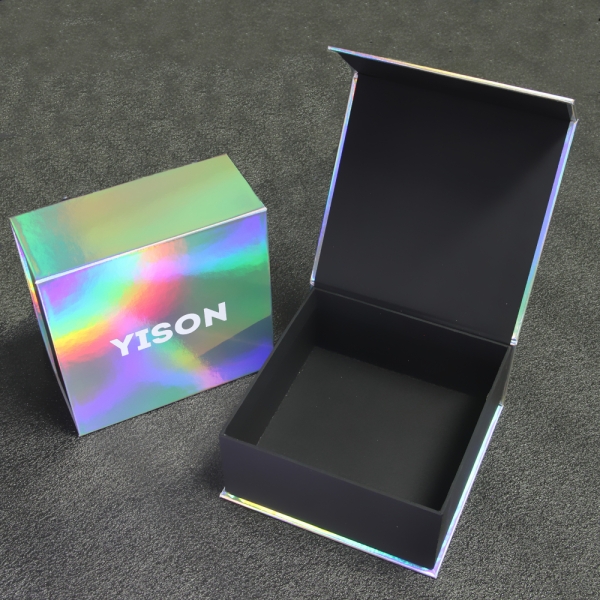
Rigid boxes offer one solution.
A custom rigid box can provide:
Popular structures include:
For a luxury peptide treatment, a small vial presented inside a carefully engineered rigid box can create a much stronger perceived value than placing the vial in a standard folding carton.
Because 3ml vials are small, even minor movement inside a box can affect presentation and protection.
A custom insert should hold each vial securely while allowing the customer to remove it easily.
EVA foam
Suitable for premium protection and precise cavities.
Sponge
Provides cushioning for delicate glass vials.
Paperboard
A practical option for brands seeking a more paper-based packaging solution.
Molded pulp
Suitable for sustainability-oriented packaging concepts.
The choice should depend on:
A 3ml vial becomes more commercially interesting when it is packaged as a set.
For example:
7 × 3ml peptide vials
can be positioned as a seven-day intensive skincare program.
The packaging can assign a specific compartment to each vial:
| Vial | Packaging Function |
|---|---|
| Day 1 | Individual cavity |
| Day 2 | Individual cavity |
| Day 3 | Individual cavity |
| Day 4 | Individual cavity |
| Day 5 | Individual cavity |
| Day 6 | Individual cavity |
| Day 7 | Individual cavity |
This approach creates both organization and ritual.
It also gives the brand more opportunities to communicate:
One of the clearest beauty packaging directions in 2026 is a move toward intentional minimalism.
Industry analysis points toward cleaner layouts, subtle details, restrained branding, and packaging that communicates functionality rather than relying on excessive decoration.
For peptide packaging, this aesthetic works particularly well because peptide products are often associated with:
A restrained design can make a 3ml vial look more like a precision skincare treatment than a generic sample.
Peptides are closely associated with advanced skincare science, so packaging is increasingly using visual cues inspired by laboratories and biotechnology.
Possible design elements include:
However, brands should avoid making unsupported scientific or medical claims through packaging design.
The goal is to communicate precision and innovation, not to imply clinical benefits that have not been substantiated.
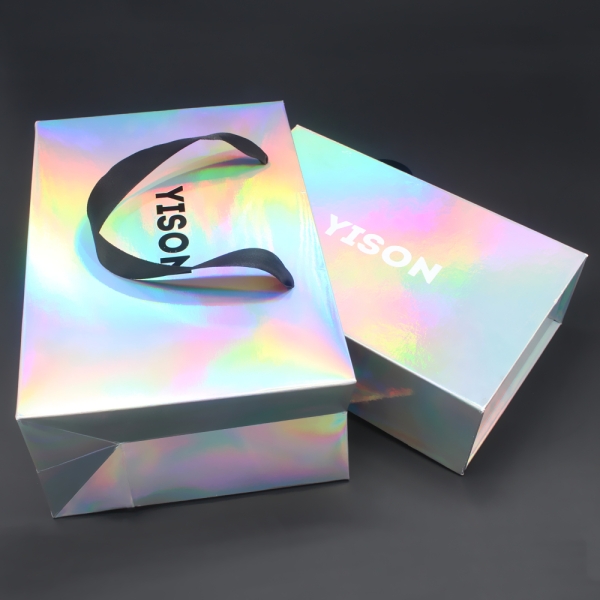
When a product itself is small, the outer packaging has more responsibility for creating a premium tactile experience.
Popular choices include:
These materials allow brands to create differentiation without relying on complex graphics.
For example:
Matte black + leather grain paper + subtle gold foil
can create a sophisticated anti-aging positioning.
Meanwhile:
Natural white + uncoated paper + blind embossing
can communicate a cleaner, minimalist skincare identity.
Sustainability continues to influence beauty packaging in 2026, with greater attention being paid to recyclability, recycled content, refill systems, material simplification, and end-of-life considerations.
For 3ml peptide packaging, brands can consider:
However, sustainability should not compromise product protection.
For fragile glass vials, the correct approach is to optimize the complete packaging system rather than simply eliminate protective materials.
The most sustainable package is not necessarily the one with the fewest materials—it is the one that uses appropriate materials efficiently and protects the product throughout its lifecycle.
A 3ml vial does not require a large empty box.
Oversized packaging can create:
For single-vial products, compact folding cartons may be sufficient.
For premium multi-vial sets, a slightly larger rigid box can be justified because the box itself becomes part of the product experience.
The ideal dimensions should be determined by:
Vial dimensions + insert requirements + opening structure + necessary information space.
Smart packaging technologies such as QR codes, NFC, and RFID are expected to become increasingly relevant in beauty packaging.
For a 3ml peptide treatment kit, a QR code could connect customers to:
For small-format products, placing the QR code on the outer box or insert card is often more practical than printing it directly on the tiny vial.
Because 3ml vials have limited printing space, the outer box becomes especially important.
The packaging may need to communicate:
The design should separate information into clear visual levels.
Brand + Product Name
Formula / Treatment Type
Volume + instructions + other required details
This prevents the small package from becoming visually overcrowded.
The beauty market is increasingly moving toward products positioned around specific skincare concerns and targeted treatments. Packaging design is responding by emphasizing application rituals and functionality, not just appearance.
For peptide vials, packaging can therefore communicate a treatment sequence.
For example:
Open → Remove vial → Apply → Follow daily routine
A numbered multi-vial box can turn packaging into part of the skincare ritual.
This is especially effective for:
Structure:
Best for: Retail products and samples
Structure:
Best for: Premium peptide products
Structure:
Best for: Seven-day treatment programs
Structure:
Best for: Clean beauty and sustainability-focused brands
| Trend | Market Direction | Packaging Opportunity |
|---|---|---|
| Mini formats | Growing | Compact vial cartons |
| Treatment sets | Growing | Multi-grid boxes |
| Minimalism | Strong | Clean typography |
| Premium tactile design | Strong | Specialty papers |
| Sustainability | Essential | Recycled/FSC paper |
| Smart packaging | Growing | QR/NFC integration |
| Precision protection | Essential | Custom inserts |
| Digital storytelling | Growing | QR-linked content |
Before developing a custom 3ml peptide vial box, prepare:
Providing this information early helps the packaging manufacturer develop a more accurate structure and quotation.
The best option depends on the product and market positioning. Folding cartons are suitable for standard retail products, while rigid boxes with custom inserts are better suited to premium peptide treatments and multi-vial gift sets.
Use individually separated cavities with EVA, sponge, paperboard, or molded pulp inserts. The correct solution depends on vial weight, fragility, and transportation conditions.
For folding cartons, approximately 350–400gsm paperboard can be suitable for many small cosmetic products. Premium rigid packaging may use approximately 1.5–2.0mm greyboard with a suitable wrapping paper.
Not always. A folding carton can be sufficient for lightweight retail products. Rigid boxes are more appropriate when the product requires stronger protection or a luxury presentation.
Yes. Brands can consider FSC-certified paper, recycled greyboard, paperboard inserts, molded pulp, and reduced-material structures while maintaining adequate protection.
The market opportunity for 3ml peptide vial packaging is not simply about making a smaller box.
The more important direction is the combination of:
Small format + precise protection + premium presentation + sustainability + treatment-oriented experience.
As beauty products become increasingly specialized, packaging will play a larger role in explaining product value and differentiating brands. Current 2026 beauty packaging research consistently points toward sustainability, functionality, minimalism, smart features, and stronger sensory experiences.
For peptide brands, this creates an opportunity to transform a tiny 3ml vial into a sophisticated product experience.
A small vial does not need small-impact packaging. With the right structure, materials, and presentation, 3ml peptide packaging can become a powerful extension of the brand itself.
For brands developing peptide serums, ampoules, and treatment kits, custom packaging can be designed around the exact vial dimensions and product quantity.
Available solutions include:
The key is to develop the vial, insert, outer box, and shipping protection as one complete packaging system rather than treating them as separate components.


 English
 Português
 Русский
 Español
 Deutsch
 Français